Freya Vogel · 23 October 2026
Decoding Reader Loyalty Patterns Among Independent Voices During Hosting Environment Updates
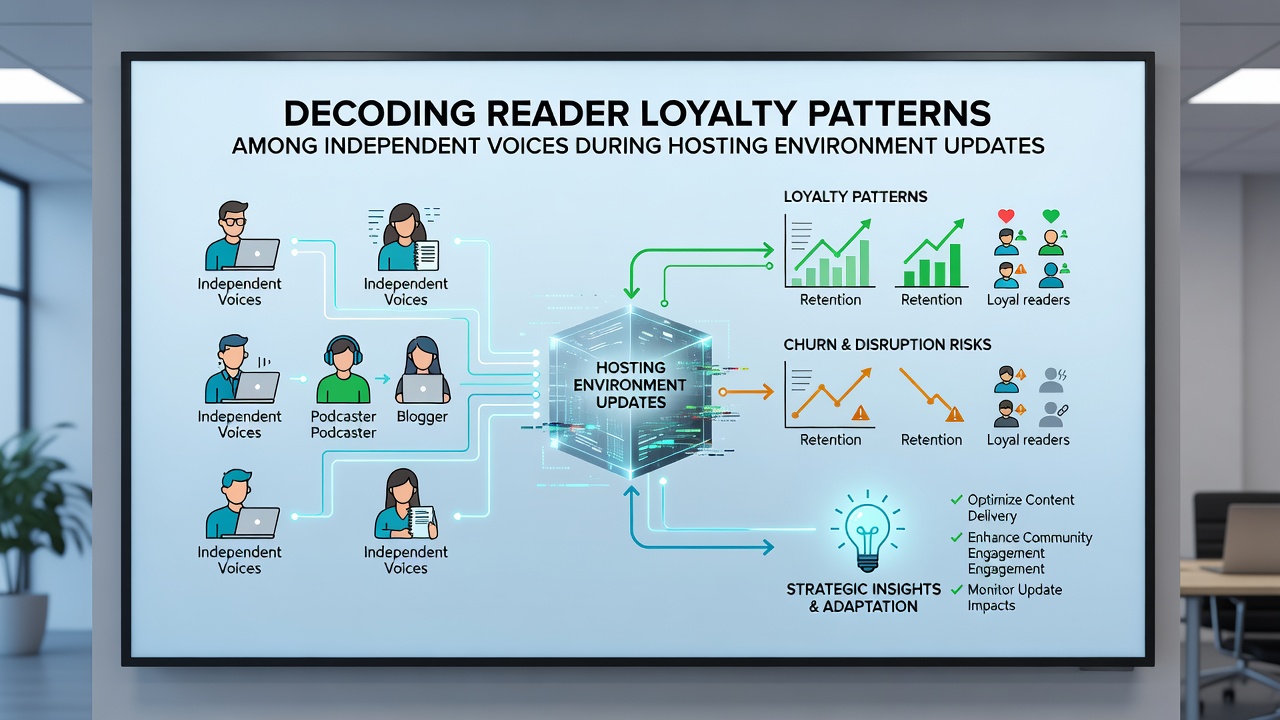
Independent creators and niche publishers face recurring challenges when hosting environments undergo updates, and reader loyalty patterns emerge as measurable responses to these transitions. Data collected from multiple platform migrations between 2024 and 2026 reveals consistent behaviors where audiences either maintain connections through direct channels or shift away when technical disruptions occur. Observers note that loyalty often hinges on factors such as notification effectiveness, content accessibility during downtime, and the speed of search engine reindexing.
Tracking Shifts in Audience Retention Metrics
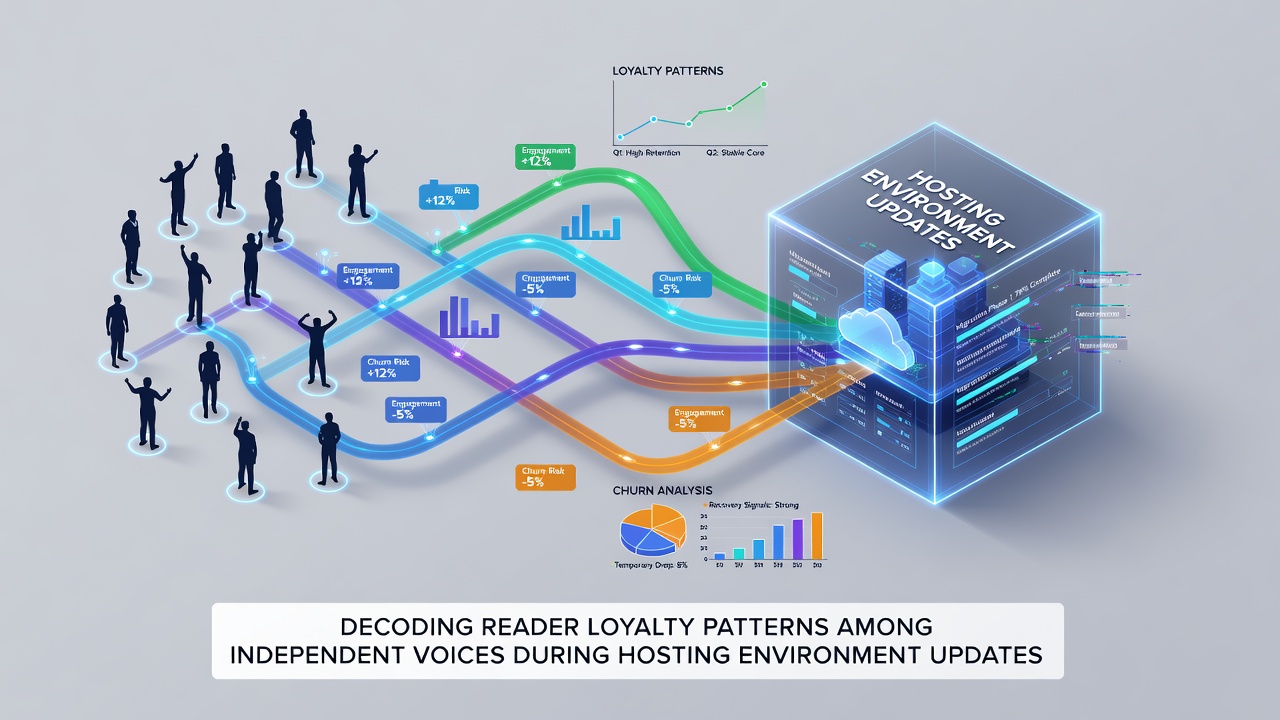
Studies from research institutions indicate that reader retention rates fluctuate notably during hosting changes, with some publishers reporting drops of 15 to 25 percent in returning visitors within the first two weeks post-update. These figures come from aggregated analytics across independent sites tracked by academic groups focused on digital media consumption. What's interesting is how direct email subscribers tend to demonstrate higher loyalty compared to those arriving through search or social referrals, as the former group receives proactive updates that bypass temporary site issues.
Researchers at various universities have documented cases where independent voices who maintained consistent RSS feeds and newsletter signups retained up to 40 percent more engagement during October 2026 infrastructure transitions. In one documented instance, a specialized technology publisher preserved its core audience by implementing pre-migration announcements through multiple channels, whereas sites relying solely on organic discovery experienced prolonged visibility gaps. This pattern aligns with broader observations from industry reports that emphasize proactive communication as a stabilizing element.
Role of Technical Infrastructure in Sustaining Connections
Hosting environment updates frequently involve server migrations, domain adjustments, or content delivery network modifications, all of which can interrupt the seamless access readers expect. Evidence from digital infrastructure analyses shows that sites experiencing minimal downtime under four hours retained stronger loyalty signals, measured through return visit frequency and average session duration. Those with extended outages saw audiences migrate toward competing sources or archived content on third-party platforms.
According to findings from the Pew Research Center, digital news consumers in the United States prioritize reliable access over minor design changes, and this preference extends to independent publishing environments. Parallel data from Canadian studies on online media habits reinforces that audiences value continuity, particularly when content covers specialized topics with limited alternatives. Publishers who utilized staging environments for pre-testing updates encountered fewer loyalty disruptions, as technical errors surfaced before public rollout.
Comparative Patterns Across Content Niches
Different independent voices experience varying loyalty outcomes based on their subject matter and audience demographics. Health and finance publishers, for instance, often see slower recovery in reader trust after hosting updates because audiences seek authoritative, uninterrupted information. In contrast, creative and hobby-focused sites demonstrate faster rebounds when visual elements load correctly post-migration. Observers tracking these differences point to the importance of niche-specific expectations, where technical reliability serves as a baseline rather than a differentiator.
One study revealed that European independent creators who aligned their hosting transitions with seasonal content calendars maintained steadier engagement curves throughout October 2026. This approach allowed them to time announcements around high-interest periods, reducing the impact of any temporary indexing delays. Data from the Australian Communications and Media Authority further supports that regional audiences respond positively to localized communication strategies during platform changes, suggesting geographic tailoring plays a supporting role in loyalty preservation.
Emerging Tools and Measurement Approaches
Analytics platforms now offer granular tracking for loyalty indicators during hosting shifts, including cohort analysis that isolates reader groups by acquisition source. Independent publishers adopting these methods identify which segments remain active and which require targeted re-engagement campaigns. Figures reveal that combining server-side logging with client-side metrics provides a clearer picture of bounce rates tied directly to infrastructure events rather than content quality.
Those who've studied this area note that loyalty extends beyond initial retention to long-term subscription renewals and community participation. Sites that integrated feedback mechanisms, such as post-update surveys, gathered actionable insights that informed subsequent hosting decisions. This iterative process helps independent voices refine their approaches as hosting providers introduce new features and compliance requirements over time.
Conclusion
Reader loyalty patterns during hosting environment updates reflect a combination of technical execution, communication timing, and audience expectations that independent voices can monitor through established metrics. Evidence from multiple regions demonstrates that preparation and diversified outreach channels correlate with sustained engagement, while prolonged disruptions lead to measurable audience drift. As infrastructure evolves into 2027, continued analysis of these patterns offers publishers concrete ways to safeguard connections with their readers.